Stone-Chakki Atta vs Regular Atta: The Lokman Gehu Difference
Why do rotis made from chakki atta taste softer and sweeter? The answer lies in the grain and the grinding. Discover how stone-ground Lokman (Lok-1) wheat atta compares with regular roller-mill flour.
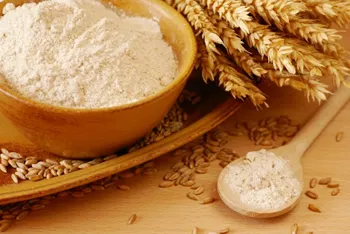 Stone-Ground Atta
- Stone chakki atta is ground slowly between stones, so the flour stays cool and keeps the bran and germ.
- Lokman (Lok-1) is a prized wheat variety from Madhya Pradesh known for its golden, bold grains.
- Chakki atta absorbs more water, giving softer rotis that stay fresh longer.
- Whole wheat chakki atta is naturally higher in dietary fibre than over-refined flour.
Roti is the one food most Indian families eat every single day — which makes atta the most important ingredient in the kitchen. Yet most of us pick a packet without a second thought. The truth is that the wheat variety and the grinding method together decide how your rotis taste, how soft they stay and how much nutrition they carry.
Why Your Choice of Atta Matters
A wheat grain has three parts: the fibre-rich bran, the nutrient-dense germ and the starchy endosperm. True whole wheat atta keeps all three. When flour is milled at high speed and over-processed, parts of the bran and germ can be lost, leaving a whiter but less wholesome flour.
What Is Lokman (Lok-1) Gehu?
Lokman, also called Lok-1, is one of India’s most loved wheat varieties, grown widely across the fertile Malwa region of Madhya Pradesh. Its grains are bold, amber-golden and naturally sweet. Families in central India have long preferred Lokman for chapatis because it produces a soft, pliable dough with a rich, wheaty aroma.
SwadDesi’s Lokman Gehu Aata is made from carefully selected Lokman wheat sourced from MP’s farmers — cleaned, sorted and then stone-ground.

Stone Chakki vs Roller Mill: The Real Difference
In a stone chakki, wheat is ground slowly between two heavy stones. The low speed keeps temperatures down, which helps preserve the grain’s natural oils, aroma and nutrients. A roller mill uses fast-spinning steel rollers built for volume; the higher heat and separation steps often produce a finer but flatter-tasting flour.
| Feature | Stone Chakki Atta | Roller Mill Atta |
|---|---|---|
| Grinding speed | Slow | Very fast |
| Grinding temperature | Low — flour stays cool | Higher due to friction |
| Bran & germ | Retained in the flour | Often separated and re-mixed |
| Texture | Slightly grainy, rich | Very fine, uniform |
| Roti result | Soft, sweet, aromatic | Can turn chewy or hard sooner |
Benefits of Stone-Chakki Whole Wheat Atta
More Natural Fibre
With bran retained, chakki atta supports healthy digestion and keeps you fuller for longer.
Wholesome Nutrition
The germ carries natural vitamins and minerals that are better preserved by slow, cool grinding.
Softer Rotis
Chakki atta absorbs more water, creating a supple dough and rotis that stay soft even hours later.
Real Wheat Aroma
That comforting “fresh roti” smell comes from natural wheat oils that low-heat grinding protects.
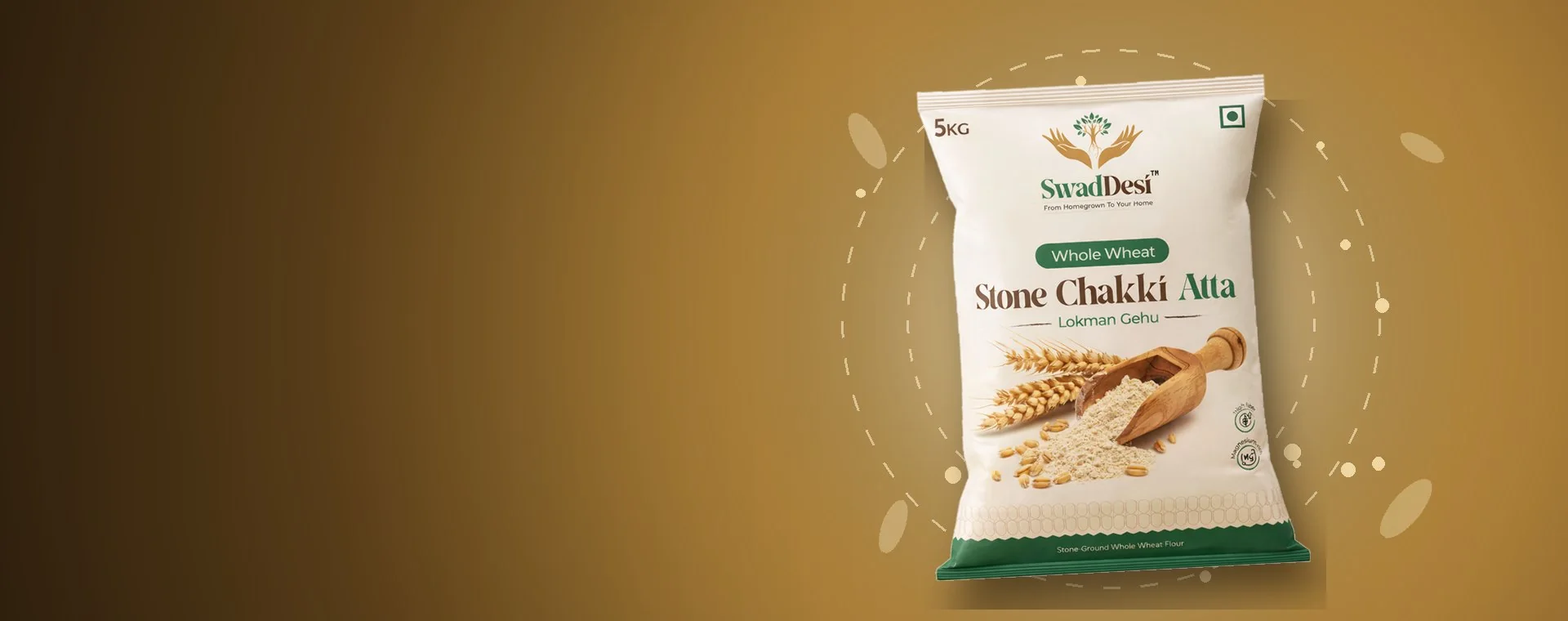 Lokman Gehu · 5 kgStone-Chakki Whole Wheat AttaSoft rotis, real wheat aromaShop Now →
7 Tips for Soft, Fluffy Rotis Every Time
- Use lukewarm water — it helps the dough relax and absorb moisture evenly.
- Knead well for 6–8 minutes until the dough is smooth and soft, not sticky.
- Rest the dough for 15–20 minutes, covered with a damp cloth.
- Add a little ghee or oil while kneading for extra softness.
- Roll evenly — uneven thickness leads to hard edges.
- Cook on a hot tawa and flip at the right time so the roti puffs up.
- Store in a casserole or wrap in a cotton cloth to keep them warm and soft.
Pair your rotis with a bowl of SwadDesi Chana Dal tempered in kolhu mustard oil for a truly homestyle thali.
How to Store Chakki Atta
- Transfer atta to a clean, dry, airtight container after opening.
- Keep it away from moisture, heat and direct sunlight.
- Always use a dry hand or spoon to scoop flour.
- Buy in quantities you can use within a few weeks for the freshest taste — whole wheat flour contains natural oils.
Good atta is the foundation of good health in an Indian home. Choosing stone-ground Lokman wheat is a small change that your family will taste in every roti.
Frequently Asked Questions
Is stone chakki atta healthier than regular atta?
Stone chakki atta is ground slowly at lower temperatures, so it usually retains more of the wheat’s bran, germ and natural oils. This makes it a more wholesome, fibre-rich choice than over-refined flour.
What is Lokman wheat?
Lokman, also known as Lok-1, is a popular wheat variety grown in Madhya Pradesh. It has bold golden grains and is loved for making soft, naturally sweet chapatis.
Why are rotis softer with chakki atta?
Chakki atta has a slightly coarser texture and retains bran, so it absorbs more water. This creates a softer dough and rotis that stay fresh for longer.
How long does chakki atta stay fresh?
Because whole wheat atta contains natural oils, it is best used within a few weeks of opening. Store it in an airtight container in a cool, dry place.
Can I use chakki atta for parathas and puris?
Yes. SwadDesi Lokman Gehu Aata works beautifully for rotis, parathas, puris and even atta-based baking.
Order Stone-Chakki Lokman Atta
Soft rotis, real wheat aroma and wholesome nutrition — delivered to your door.
Complete Your Desi Thali
-
Sale!

SwadDesi Lokman Gehu Aata – 5 kg
Original price was: ₹300.₹255Current price is: ₹255. Read more -
Sale!
SwadDesi Chana Dal – 1 kg
Original price was: ₹150.₹105Current price is: ₹105. Add to cart -
Sale!
SwadDesi Toor Dal (Akola) – 1 kg
Original price was: ₹220.₹185Current price is: ₹185. Add to cart -
Sale!
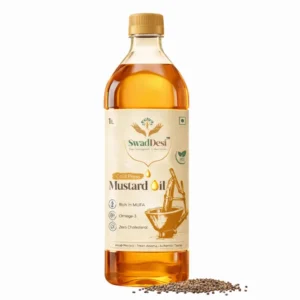
SwadDesi Kolhu Mustard Oil – 1 L
Original price was: ₹260.₹220Current price is: ₹220. Add to cart