Kolhu Cold-Pressed Mustard Oil: Why Kachchi Ghani Is Better for Your Kitchen
From grandma’s tadka to winter massages, kachchi ghani mustard oil has been the heart of the Indian kitchen for centuries. Here is what makes kolhu-pressed oil different from refined oil — and how to choose the right one.
 100% Kachchi Ghani
- Kachchi ghani means the mustard seeds are pressed slowly in a wooden or stone kolhu without high heat.
- Cold pressing keeps the oil’s natural pungency, golden colour and aroma intact.
- Mustard oil is naturally rich in monounsaturated fats (MUFA) and contains plant omega-3 (ALA).
- Unlike refined oils, good kachchi ghani oil is not bleached, deodorised or extracted with chemical solvents.
Walk into any traditional North Indian home and you will recognise the sharp, eye-watering aroma of sarson ka tel heating in a kadhai. That pungency is not a flaw — it is the signature of real, kachchi ghani mustard oil. In a market full of clear, odourless refined oils, the humble kolhu-pressed oil is making a strong comeback, and for good reason.
What Is Kachchi Ghani Mustard Oil?
Kachchi means raw and ghani means press. Kachchi ghani oil is made by crushing mustard seeds slowly in a kolhu — a traditional press — at low temperatures. Because the seeds are never cooked or treated with chemicals, the oil that flows out retains its natural colour, strong aroma and the compounds that give mustard its bite.
This is very different from pakki ghani or expeller oil, where seeds are pressed at higher heat for a higher yield, and from refined oil, which is extracted using heat and solvents and then bleached and deodorised.
The Kolhu Process: Slow, Cool and Pure
At SwadDesi, our Kolhu Mustard Oil follows the time-tested method that Indian villages have used for generations:
- Seed selection — bold, mature black and yellow mustard seeds are cleaned and sorted.
- Slow pressing — the seeds are crushed gradually in the kolhu so that friction heat stays low.
- Natural settling — the oil is allowed to rest so that fine particles settle naturally.
- Filtering & packing — the clear oil is filtered and sealed without any blending or additives.
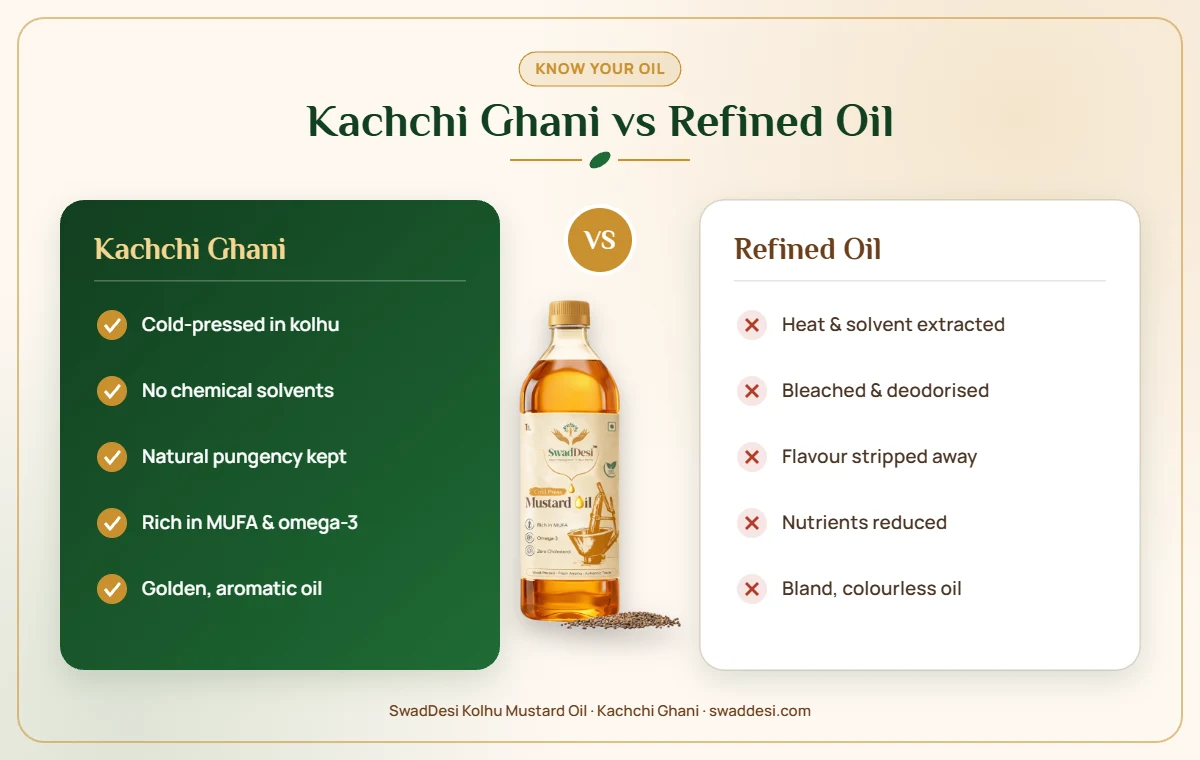
Kachchi Ghani vs Refined Oil: What’s the Difference?
| Parameter | Kachchi Ghani (Kolhu) | Refined Oil |
|---|---|---|
| Extraction | Slow mechanical pressing at low heat | High heat + chemical solvents |
| Processing | Filtered only | Bleached, deodorised, neutralised |
| Aroma & taste | Strong, pungent, authentic | Neutral, flavourless |
| Colour | Natural golden-amber | Pale, almost colourless |
| Natural compounds | Largely retained | Reduced during refining |
Benefits of Kachchi Ghani Mustard Oil
Good Fats Profile
Mustard oil is naturally high in monounsaturated fatty acids and low in saturated fat, a balance many nutritionists prefer for everyday cooking.
Plant Omega-3
It contains alpha-linolenic acid (ALA), a plant-based omega-3 that is otherwise hard to find in common cooking oils.
Great for Indian Cooking
Its high smoking point once heated makes it ideal for tadka, sautéing and traditional deep-fried snacks.
Traditional Massage Oil
Warm mustard oil has long been used for body and baby massages in Indian winters, and for nourishing hair.
Good to know: Like every oil, mustard oil is calorie-dense. Use it in moderation as part of a balanced diet, and consult your doctor or dietitian for advice specific to your health.
How to Use Kolhu Mustard Oil in Your Kitchen
To mellow its raw pungency, heat the oil until it just begins to smoke, let it cool slightly, and then add your spices. This classic “smoking” step unlocks a nutty, rounded flavour. Some of our favourite ways to use it:
- Tadka for dal — jeera, hing and garlic in hot mustard oil make our Akola Toor Dal taste like home.
- Sarson ka saag & sabzis — the authentic Punjabi and Bengali way.
- Achaar (pickles) — its natural preservative quality is why every grandmother’s mango pickle uses it.
- Fish & tandoori marinades — adds depth and that unmistakable desi kick.
- Pakoras — pair it with our pure Besan for crisp, golden fritters.
 Kachchi Ghani · 1 LitrePure Kolhu Mustard OilCold-pressed the traditional wayShop Now →
Buying Guide: How to Spot Real Kachchi Ghani Oil
- Strong aroma: real kachchi ghani oil has a sharp, pungent smell the moment you open the bottle.
- Natural colour: expect a deep golden to amber shade, not a pale yellow.
- Label check: look for “kachchi ghani” or “cold-pressed” and avoid “blended edible vegetable oil”.
- Trusted brand: buy from brands that are transparent about sourcing and FSSAI-compliant.
- Storage: keep it in a cool, dark place, tightly capped, away from direct sunlight.
Switching to kolhu-pressed oil is one of the simplest upgrades you can make to your daily cooking. It brings back the taste you remember — honest, bold and truly desi.
Frequently Asked Questions
Is kachchi ghani mustard oil good for daily cooking?
Yes. Kachchi ghani mustard oil is a traditional everyday cooking oil across North and East India. It is rich in monounsaturated fats and works well for tadka, sabzis and frying. Like any oil, use it in moderation.
What is the difference between kachchi ghani and cold-pressed oil?
Kachchi ghani is the traditional Indian term for cold-pressed mustard oil — seeds are pressed slowly at low temperature in a kolhu, without chemicals or high heat.
Why does mustard oil smell so strong?
The pungency comes from natural compounds in mustard seeds. In kachchi ghani oil these are retained because the oil is not refined or deodorised. Heating the oil to its smoking point mellows the sharpness.
How should I store kolhu mustard oil?
Store it in a cool, dark place with the cap tightly closed and away from direct sunlight and moisture. Use a clean, dry spoon to keep it fresh for longer.
Where can I buy SwadDesi Kolhu Mustard Oil?
You can order SwadDesi Kolhu Mustard Oil online from our shop, or contact us on WhatsApp for bulk and distributor enquiries.
Bring Home Pure Kolhu Mustard Oil
Kachchi ghani, cold-pressed and unblended — just the way it should be.
Pantry Staples That Pair Perfectly
-
Sale!
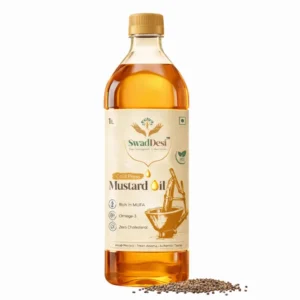
SwadDesi Kolhu Mustard Oil – 1 L
Original price was: ₹260.₹220Current price is: ₹220. Add to cart -
Sale!
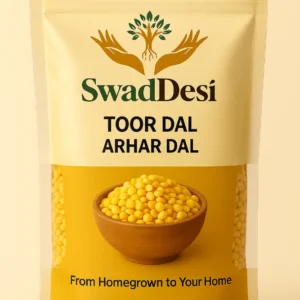
SwadDesi Toor Dal (Akola) – 1 kg
Original price was: ₹220.₹185Current price is: ₹185. Add to cart -
Sale!
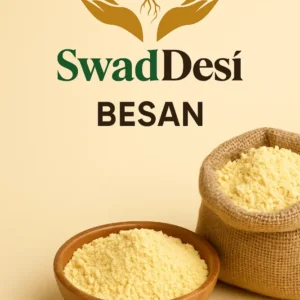
SwadDesi Besan (Gram Flour) – 1 kg
Original price was: ₹150.₹105Current price is: ₹105. Add to cart -
Sale!

SwadDesi Lokman Gehu Aata – 5 kg
Original price was: ₹300.₹255Current price is: ₹255. Read more